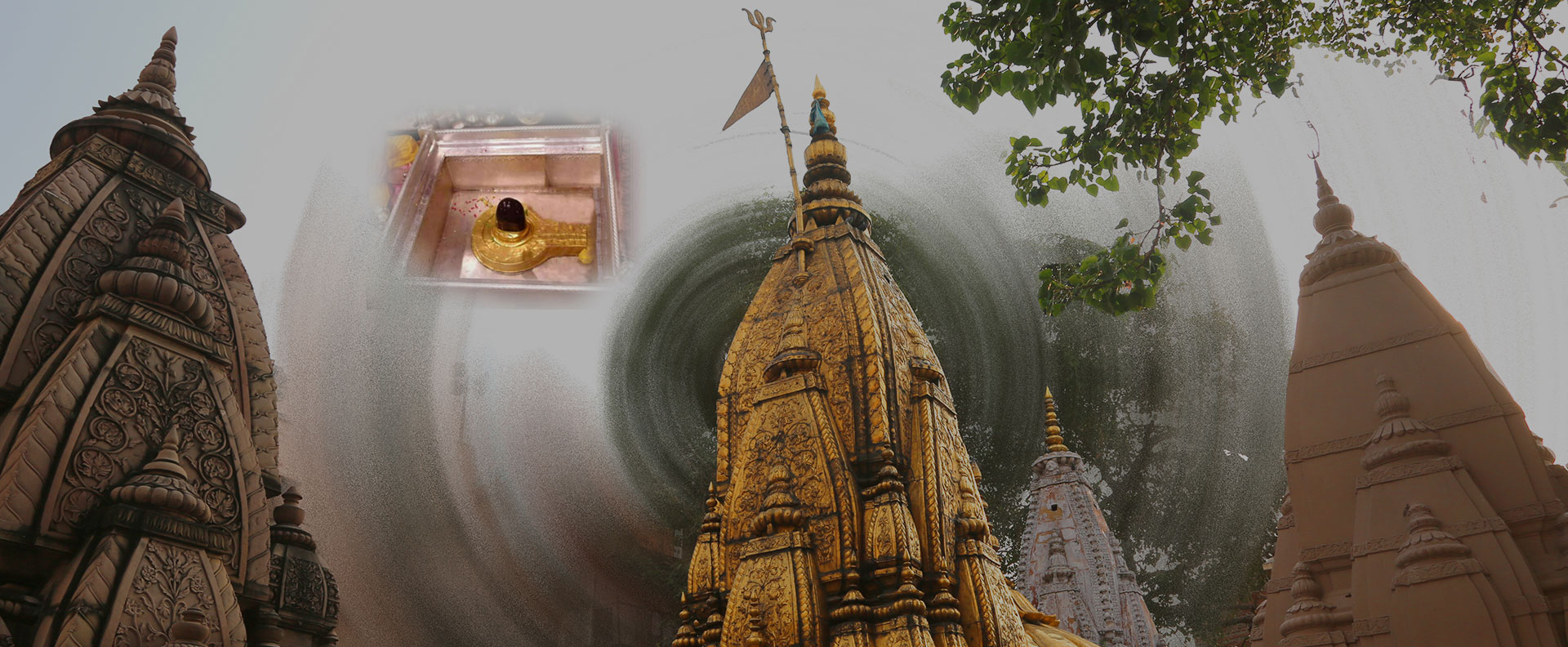
Mahashivratri
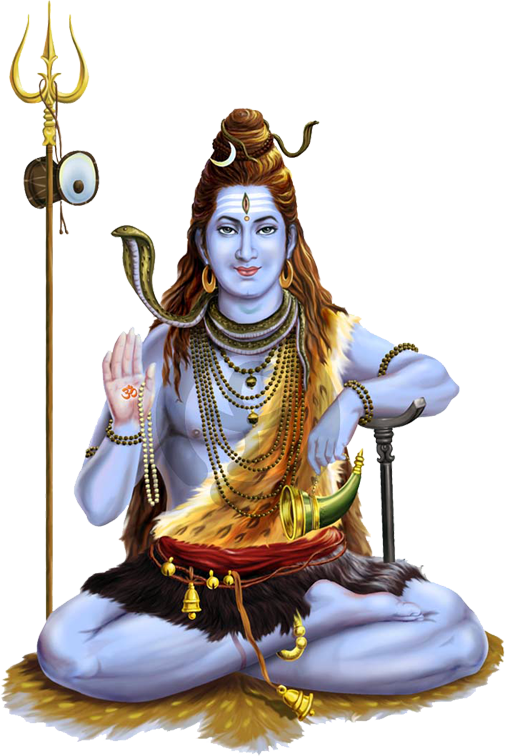
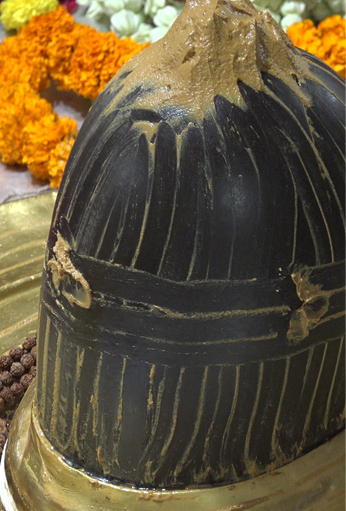
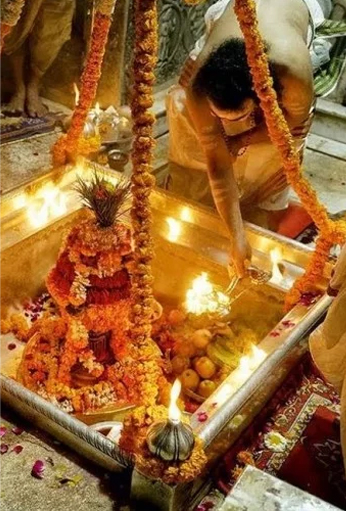
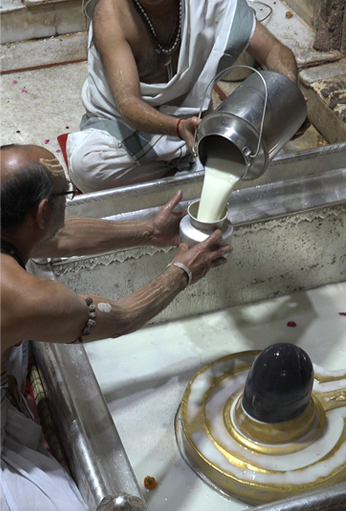
Shivaratri is celebrated on the 6th night of the dark Phalgun
(Feb or March) every year. On the auspicious day, devotees
observe fast and keep vigil all night. Mahashivaratri marks the
night when Lord Shiva performed the 'Tandava'. It is also
believed that on this day Lord Shiva was married to Parvati Ma.
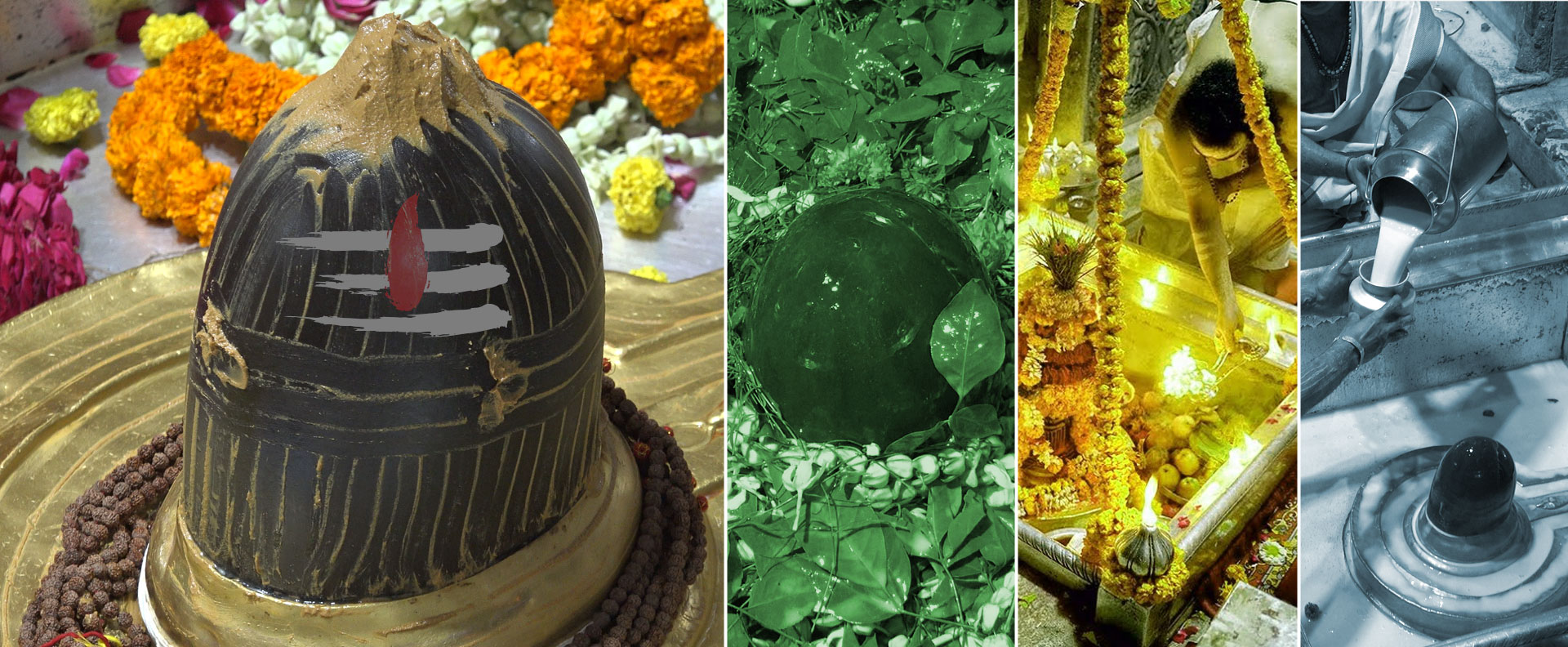
On this day Shiva devotees observe fast and offer fruits,
flowers and bel leaves on Shiva Linga. At our temple this
festival celebrated with great spritualism.
Rangbhari ( Aamlaki) Ekadashi
Once, in the month of Phalguna (February - March), the holy fast
of Amalakii Ekadasii arrived, conjoined with Dvadasi. This
particular fast would bestow especially great benefit. Amalakii
is offspring of Lord BrahmA, who can destroy all kinds of sinful
reactions. Amalakii, is actually the form of Brahman, and was
once worshiped by Lord Ramachandra Himself. Whoever
circumambulates her is therefore immediately freed of all his
sins.
After having bath offered Amalakii tree a pot filled with water,
as well as garland and aromatic incense. Then worship Lord
Parashurama with these prayers: 'Oh Lord ParashurAma, Oh son of
Renuka, Oh all-pleasing one, Oh liberator of the worlds, kindly
come beneath this holy Amalakii tree and accept our humble
obeisances.'
If the Amarlaki tree isn't available then worship the sacred
Tulasi tree. Also plant the sacred Tulasi seeds, and offer lamps
to her.
Annakoot
Annakoot is celebrated in observance of the episode in Sri
Krishna's childhood, in which He gave protection to the cowherd
clan of Vrindavan from the wrath of Indra and humbled Indra in
that process. The cowherds, their wives, children and cattle
jubilantly surrounded Sri Krishna. They were awed by His
superhuman accomplishment and celebrated Sri Krishna's feat with
a sumptuous feast. Thus began the tradition of Annakoot. After
the prayers, traditional worship & Aarti, innumerable varieties
of delicious sweets/ all cookings / 56 bhogs were ceremoniously
raised in the form of a mountain before the deity as "Bhog" and
after Lord had it full , now it was citizens turn to approach
the Mountain of Food and take Prasad from it. It was a Great
Feast for residents of Goverdhan & they all enjoyed it
thoroughly
Makar Shakranti
Makar Sankranti is one of the most auspicious day for the
Hindus, and is celebrated in almost all parts of the country in
myriad cultural forms, with great devotion, fervor & gaiety.
Lakhs of people take a dip in places like Ganga Sagar & Prayag
and pray to Lord Sun. It is celebrated with pomp in southern
parts of the country as Pongal, and in Punjab is celebrated as
Lohri & Maghi. Gujarati's not only look reverentially up to the
sun, but also offer thousands of their colorful oblations in the
form of beautiful kites all over the skyline. They may be trying
to reach upto their glorious God or bring about greater
proximity with the one who represents the best. It is a day for
which Bhishma Pitamah kept waiting to leave his mortal coil.
Makar Sankranti is the day when the glorious Sun-God of Hindus
begins its ascendancy and entry into the Northern Hemisphere.
Sun for the Hindus stands for Pratyaksha-Brahman - the manifest
God, who symbolizes, the one, non-dual, self-effulgent, glorious
divinity blessing one & all tirelessly. Sun is the one who
transcends time and also the one who rotates the proverbial
Wheel of Time. The famous Gayatri Mantra, which is chanted
everyday by every faithful Hindu, is directed to Sun God to
bless them with intelligence & wisdom. Sun not only represents
God but also stands for an embodiment of knowledge & wisdom.
Lord Krishna reveals in Gita that this manifested divinity was
his first disciple, and we all know it to be indeed a worthy one
too. No Sundays for the Sun, may be because one who revels in
its very 'being', the very essence of his own Self, is always in
the Sunday mood.
The co-relation of cosmic events with individual life and values
is one of the most astounding traits of Hindu Masters. Once this
co-relation is brought about thereafter these cosmic events
become instrumental to remind us the best which we cherish &
value. Of all the cosmic bodies Sun is the most glorious &
important, thus every sun-centric cosmic event became very
important spiritual, religious & cultural events. On Makar
Sankranti day the Sun begins its ascendancy and journey into the
Northern Hemisphere, and thus it signifies an event wherein the
Gods seem to remind their children that 'Tamaso Ma Jyotir Gamaya'.
May you go higher & higher - to more & more Light and never to
darkness.
Shrawan Maah
Shrawan Maah is highly auspicious month for the lord Shiva
devotees. Special decoration is been done on every Monday of the
month. On first Monday of the month lord Shiva’s decoration is
being performed, on second Monday lord Bhagwa Shankar and mother
Parvati’s moveable statues are being decorated. On third and
fourth Monday , shri Ardhyanarishwar and Shri Rudrakshay ,
decoration is being performed respectively.
The whole month of Shrawan Maah is celebrated with great
enthusiasm, it is highly auspicious as every member of Lord
Shiva’s family are decorated and special ‘Jhoola Sringar ’is
being performed.
Akshya Tritiiya
Akshya Tritiiya is considered one of the four most auspicious
days of the Vedic Calendar. It is the third day of the new moon
of Vaishakh month (April-May).
|