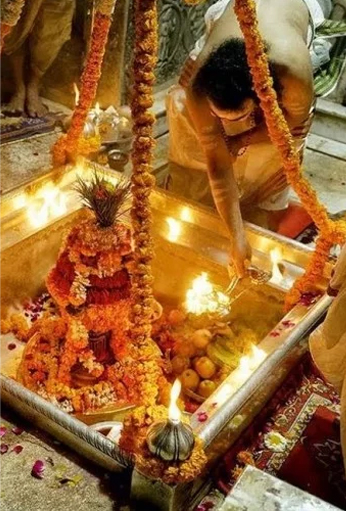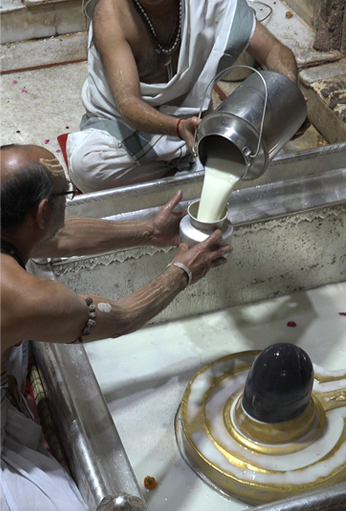
Queue Less Darshan in 3 easy steps. A New service of Special Darshan has been started for the ease-of-darshan process. Queueless darshan of the Lord, escorted by a Shastri Assistance, Free Locker and concluded with Mewaladdu Prasadam.
Book NowOnline darshan facility of trust to broadcast live feed of the sanctum sanctorum for devotees all around the globe. This service is free for all devotees irrespective of any physical barriers.
ViewOnline platform for devotees living all around the globe to make their contribution and offerings in the service of Baba Vishwanath. All donations made by Indian Citizens is exempted u/s 80G.
Donate Now
A versatile venue designed for conferences, exhibitions, group Rudra Abhishek, seminars, sangoshthi, concerts, community gatherings, birthdays, wedding anniversaries, and other special events etc.....
Book NowOnline platform to book a decent and convenient place of stay in the vicinity of the Temple as well as along the world famous Ghats of Varanasi. Property is owned by Trust & operated under supervision of the Trust.
Book NowRoof Top Restaurant- Bright and inviting multi cuisine restaurant. Prasadam Restaurant- Located on ground floor, serving snacks and light meal with varieties of tea, coffee, Veg Thali ( No onion No Garlic) etc.
Book Nowदुर्लभ दर्शन केंद्र 3D VR टेक्नोलॉजी द्वारा गर्भ गृह से बाबा काशी विश्वनाथ के अत्यंत दुर्लभ दर्शन करने की अनुभूति है, जैसे आप वहाँ स्वयं उपस्थित हों । इस अनुभव में बाबा की होने वाली पाँचों आरतियों - मंगला आरती , भोग आरती , सप्तर्षि आरती , संध्या आरती एवं भोग आरती के मनभावक दर्शन कर सकते हैं
Book Now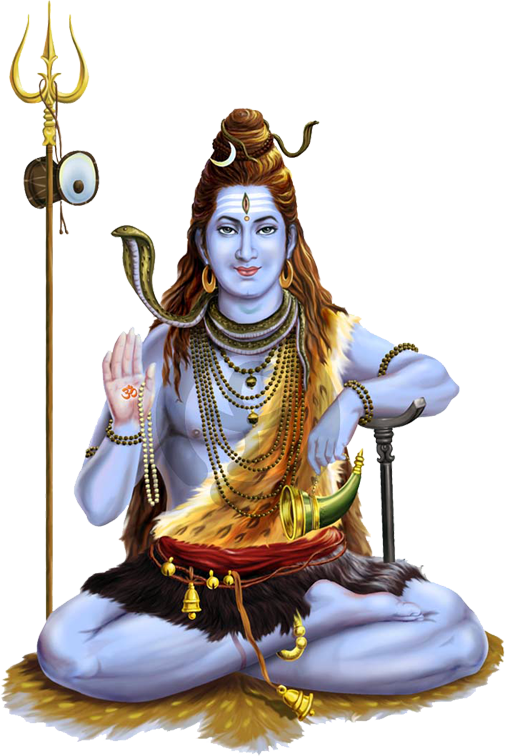
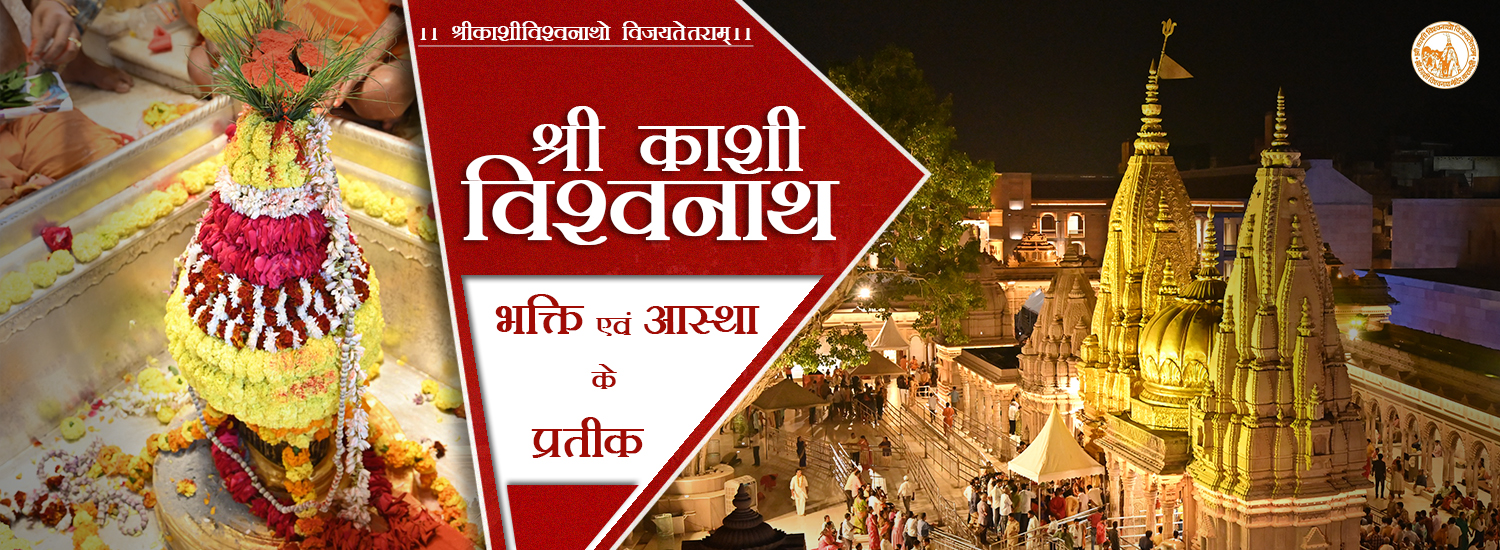
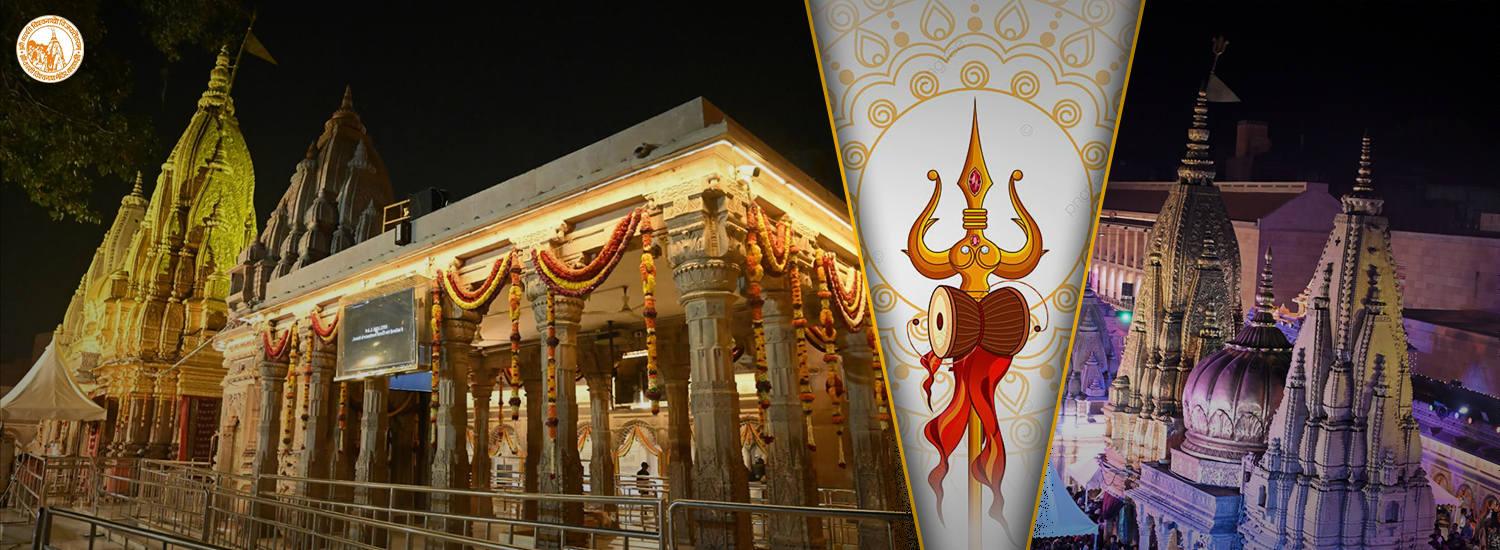
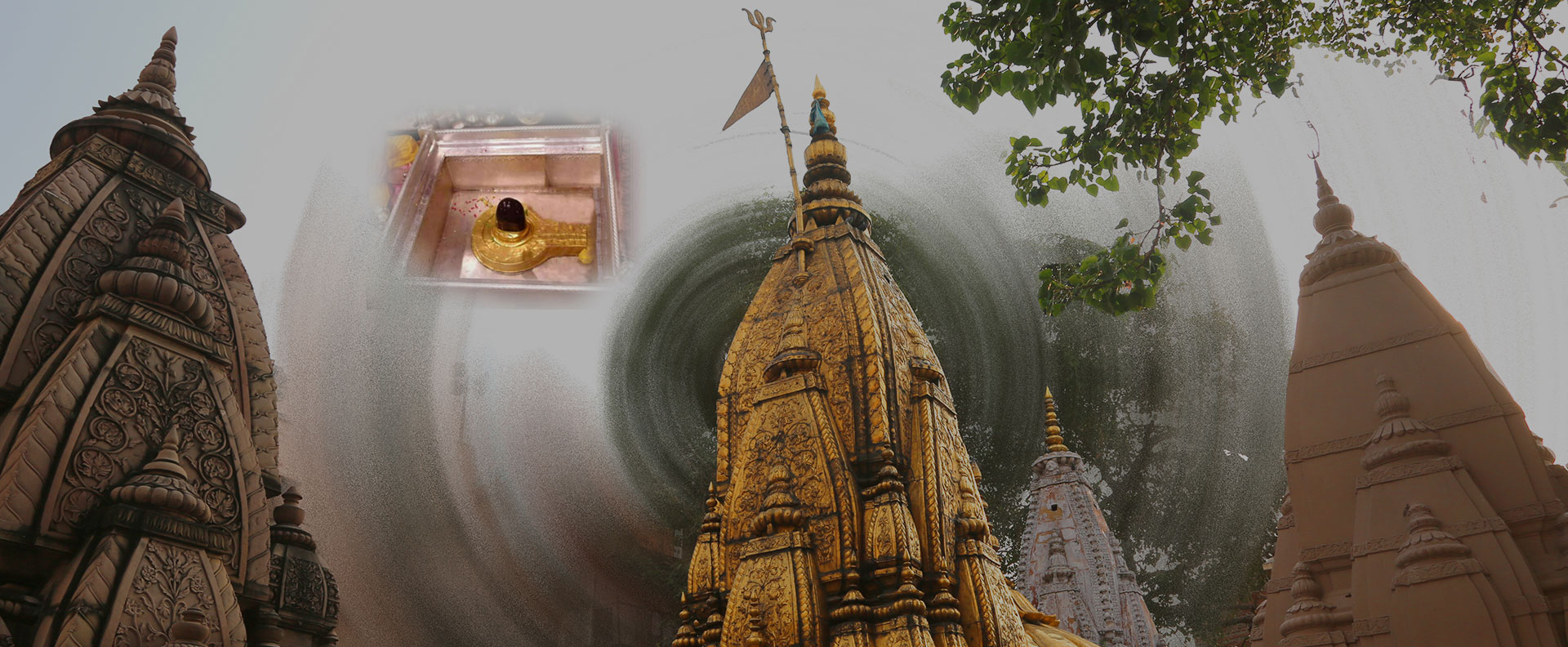
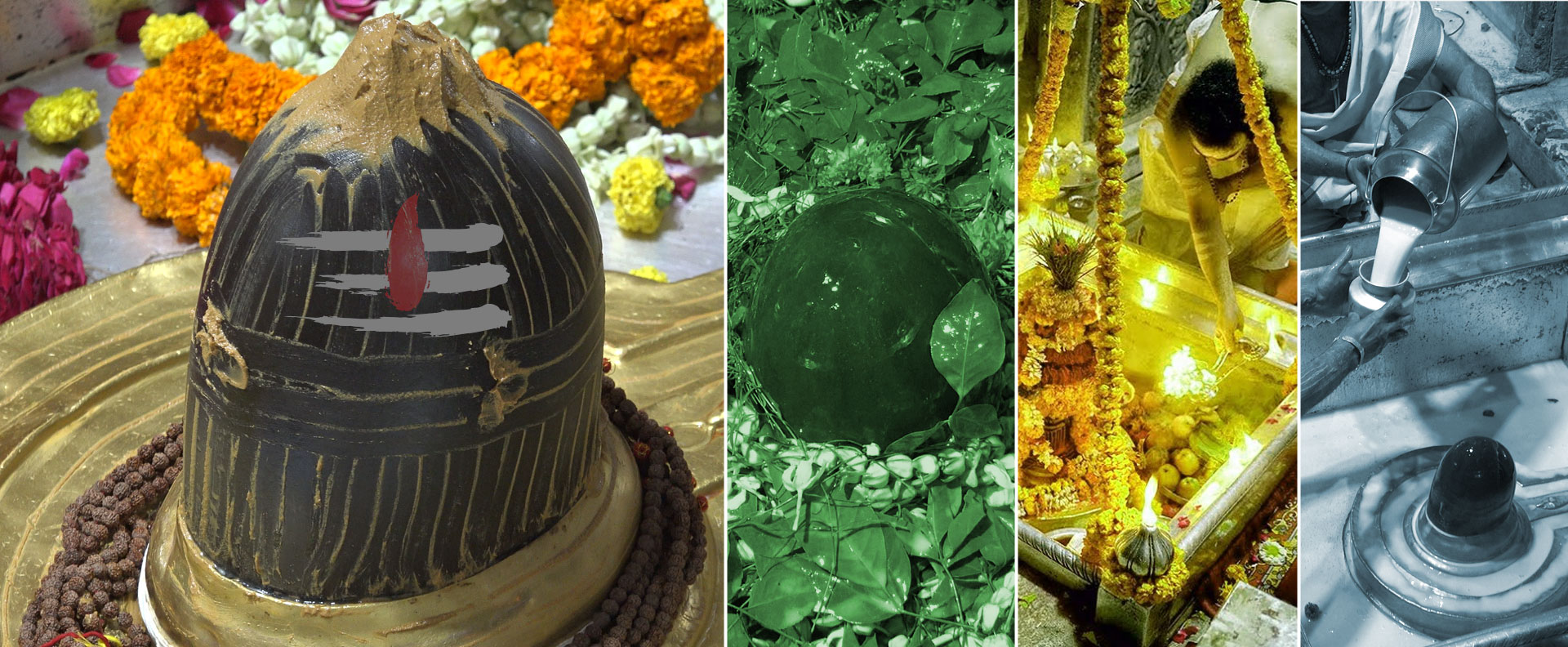
Kashi Vishwanath Temple is one of the most famous temple in Varanasi, also known as the Golden temple dedicated to the Lord Shiva. It was constructed in the year 1780 by the Maratha monarch, Maharani Ahilyabai Holkar of the Indore.